
The Connected Self
Understand Yourself. Relate Wisely. Grow in Christ.
The way we understand ourselves influences how we experience the world, how we relate to others, and how we respond to life's challenges.
The Connected Self brings together insights from psychology, human development, and Christian faith to help people recognize the patterns that shape their lives and discover how meaningful change becomes possible.
At the heart of this work is the understanding that we are created for relationship, with ourselves, with others, and with God..



Why Understanding Ourselves Matters
We develop ways of understanding ourselves long before we recognize how much those understandings influence our lives. Our earliest relationships, the experiences we've had, and the meanings we've attached to them gradually shape what we believe about ourselves and what we expect from others.
Over time, these patterns become familiar. We may find ourselves reacting to situations in ways we don't fully understand, struggling with the same relationship difficulties, or holding onto beliefs about ourselves that no longer serve us.
Growing in self-awareness gives us the opportunity to examine those patterns. As we begin to understand where our responses come from, we gain greater freedom to consider whether the beliefs guiding us are true and whether the ways we've learned to respond reflect the people we want to become.
This is where personal agency begins to develop. We discover that our experiences influence us, but they do not have to determine every choice we make.
Understanding ourselves opens the door to responding more intentionally, relating more wisely, and growing into a more integrated sense of who we are.
Understanding the Whole Person
The Connected Self approaches human development through a framework that respects both what psychology and neuroscience reveal about the human mind and what Scripture teaches about the human person.
We are shaped by our experiences, but we are also capable of reflection, learning, and change. Christian faith brings another dimension to this understanding by inviting us to consider our identity within the larger reality of God's love, truth, and purpose.
This is why The Connected Self goes beyond simply teaching information about emotions or behavior. Understanding something intellectually is valuable, but lasting growth also requires opportunities to practice what we're learning and integrate those insights into everyday life.
The goal is to develop greater wisdom, personal responsibility, relational maturity, and a life increasingly shaped by truth and faith.
A More Integrated Life
Understanding ourselves is an important beginning, but insight becomes especially meaningful when it begins to change how we live.
As we become more aware of the beliefs and patterns that influence us, we can begin making choices that reflect what we genuinely value. We learn to recognize when an old response no longer serves us and discover that we have the capacity to respond differently.
Christian faith adds an essential dimension to this process. As our understanding of ourselves deepens, we can also consider how our identity in Christ shapes the way we relate to others and approach the circumstances of our lives.
The Connected Self invites us into this ongoing process of growth, where psychological understanding, intentional practice, and spiritual formation become part of a more integrated way of living.
The goal is not to become a different person, but to become more fully the person God created us to be.
The Three Core Relationships
Understanding Ourselves Through Relationship
We don't develop our understanding of who we are in isolation. From our earliest experiences, relationships help shape the meanings we attach to ourselves, the expectations we bring into the world, and the ways we respond to life's challenges.
The Connected Self is built around three core relationships: our relationship with ourselves, our relationships with others, and our relationship with God.
These relationships are deeply interconnected. What we believe about ourselves influences how we experience other people. Our relationships can reinforce old beliefs or help us discover new ways of understanding ourselves. And our relationship with God invites us to examine our identity and our lives within a larger framework of truth, grace, and purpose.
Understanding these connections gives us a foundation for meaningful personal and spiritual growth.
Our Relationship With Ourselves
Our relationship with ourselves develops through the meanings we make of our experiences. It influences how we interpret our emotions, evaluate our worth, and understand our capacity to respond to the world around us.
When we begin recognizing the beliefs and patterns that shape our inner lives, we become better equipped to distinguish what we feel from what is actually true. This growing awareness creates opportunities to respond with greater wisdom rather than simply repeating familiar reactions.
Developing a healthier relationship with ourselves involves learning to approach our inner experiences with honesty, compassion, and personal responsibility.
Our Relationships With Others
Relationships are among the most powerful influences on human development. Through our connections with others, we experience belonging, develop expectations about trust, and learn ways of expressing our needs and responding to the needs of those around us.
The patterns we bring into relationships often reflect what we've learned through earlier experiences. Understanding those patterns can help us recognize why certain interactions are difficult and how we might approach them differently.
As we grow in self-awareness, we can become more intentional about the ways we communicate, establish boundaries, navigate conflict, and offer love. Healthy relationships allow us to remain connected to others without losing our sense of personal identity and responsibility.
Our Relationship With God
Christian faith offers an understanding of human identity that reaches beyond our circumstances, accomplishments, and the judgments of others.
Scripture teaches that we are created in the image of God and made for relationship with Him. This truth provides a foundation for understanding our worth that is not dependent upon how successfully we perform or how others respond to us.
As we grow in our relationship with God, we are invited to examine the beliefs that have shaped our identity in light of His truth. Spiritual formation becomes part of the ongoing process through which our understanding of ourselves, our relationships, and our choices increasingly reflects the life of Christ.



Becoming a More Connected Self
These three relationships are not separate compartments of life. They continually influence one another.
As we develop a more truthful understanding of ourselves, we become better equipped to engage others with wisdom and love. As we grow in our relationship with God, we discover a foundation for identity that can reshape how we understand ourselves and participate in relationships.
The Connected Self is about learning to recognize these connections and allowing that understanding to shape how we live.
From Understanding to Transformation
Meaningful growth involves more than learning new information. The Connected Self brings together psychological understanding, experiential learning, and Christian spiritual formation to help people apply what they discover to everyday life.
Understand
Developing Insight
We begin by learning to recognize the beliefs, emotional patterns, and relational experiences that influence how we understand ourselves and respond to the world.
Psychological insight helps us make sense of experiences that may have previously seemed confusing or automatic.
Practice
Learning Through Experience
Understanding becomes more meaningful when we have opportunities to practice responding differently.
Through reflection, practical exercises, and intentional application, we can begin developing new ways of relating to ourselves and others.
Integrate
Living What We Learn
Lasting growth involves bringing what we understand into alignment with how we live.
Christian faith provides a larger framework for this process, inviting us to consider how our choices and relationships increasingly reflect the truth of who we are in Christ.
WHY CHOOSE US
Explore The Connected Self
The Connected Self offers educational experiences that bring psychological understanding and Christian faith into conversation with everyday life. Through engaging lessons, experiential learning, and thoughtful reflection, these resources encourage people to develop greater self-awareness and bring what they learn into their relationships and daily choices.

Experiential Learning and Practical Application
Learning That Engages the Whole Person
Understanding a concept intellectually is valuable, but meaningful learning also involves discovering how that knowledge relates to our own experiences.
The Connected Self uses visual storytelling to make complex psychological ideas understandable and memorable. Guided audio lessons, reflection exercises, and practical activities provide opportunities to engage with those ideas more personally.
This experiential approach encourages learners to recognize familiar patterns and consider how they might respond differently in everyday situations.
The intention is to help knowledge become something we can use, rather than simply something we remember.
The Connected Self Student Curriculum
A Complete Learning Experience for Christian Students
The Connected Self offers a 55-lesson, self-paced curriculum designed for high-school-age students in Christian microschools, homeschool families, and other Christian educational communities.
The curriculum combines engaging video lessons, guided audio practices, and reflective activities to help students understand how their thoughts, emotions, experiences, and relationships influence the people they are becoming.
Students explore psychological concepts within a Christian framework while developing practical skills for self-awareness, emotional regulation, communication, and personal responsibility.
Participating schools can also have their own private online discussion community, allowing independent learning to become a shared educational experience.


Spiritual Formation and Reflection
Exploring the Relationship Between Faith and Everyday Life
Christian faith is foundational to The Connected Self's understanding of human development.
Psychology can help us understand how experiences shape our beliefs and responses, while Scripture invites us to consider our identity within the larger reality of God's truth, grace, and purpose.
Spiritual formation involves more than acquiring religious knowledge. As we grow in our relationship with God, our faith increasingly influences how we understand ourselves and how we participate in relationships.
The Connected Self explores this process through biblical reflection, psychological insight, and opportunities to consider what it means to live a faith that shapes everyday life.
Continuing the Journey
Learning and Growing Beyond the Classroom
The Connected Self began with a desire to help people understand themselves more deeply and discover how psychological insight and Christian faith can contribute to meaningful personal growth.
While our completed student curriculum is currently the primary educational offering, the larger vision extends beyond the classroom.
Future learning experiences will build on this foundation, creating additional opportunities for adults interested in personal development, healthier relationships, and Christian spiritual formation.
In the meantime, The Connected Self's spiritual formation videos offer opportunities to explore questions about identity, faith, relationships, and what it means to follow Christ in everyday life.

Why Personal Growth Matters at Every Stage of Life
Human development doesn't end when we reach adulthood. Throughout life, new experiences and changing relationships invite us to reconsider what we believe about ourselves and how we understand the world.
We may discover that ways of responding that once helped us feel secure have become obstacles to the relationships we want to build. At other times, significant life transitions bring questions about identity and purpose that we hadn't previously considered.
These experiences offer opportunities for growth, particularly when we become willing to examine the assumptions that have guided our lives.
The Connected Self approaches personal development as an ongoing process. Greater self-awareness can help us recognize familiar patterns, exercise personal agency, and make choices that reflect our values and commitments.
We continue becoming throughout our lives, and meaningful growth remains possible at every stage.
Faith and Science in Conversation
The Connected Self is grounded in the conviction that psychological understanding and Christian faith can contribute meaningfully to our understanding of the human person.
Psychology and neuroscience offer valuable insights into how we develop, how experiences shape our responses, and how learning and change occur. Christian faith invites us to consider these discoveries within a larger understanding of human identity, moral responsibility, and our relationship with God.
These perspectives need not be treated as competing explanations of human experience. Scientific inquiry can deepen our appreciation of the complexity of human development, while Scripture provides a foundation for understanding our worth, our purpose, and what it means to live faithfully.
The Connected Self brings these perspectives into thoughtful conversation, encouraging intellectual curiosity while remaining grounded in a Christian understanding of the whole person.
We can take scientific discovery seriously while recognizing that our understanding of humanity extends beyond what science alone can investigate.
About the Creator
Psychotherapist, Educator, and Creator of The Connected Self
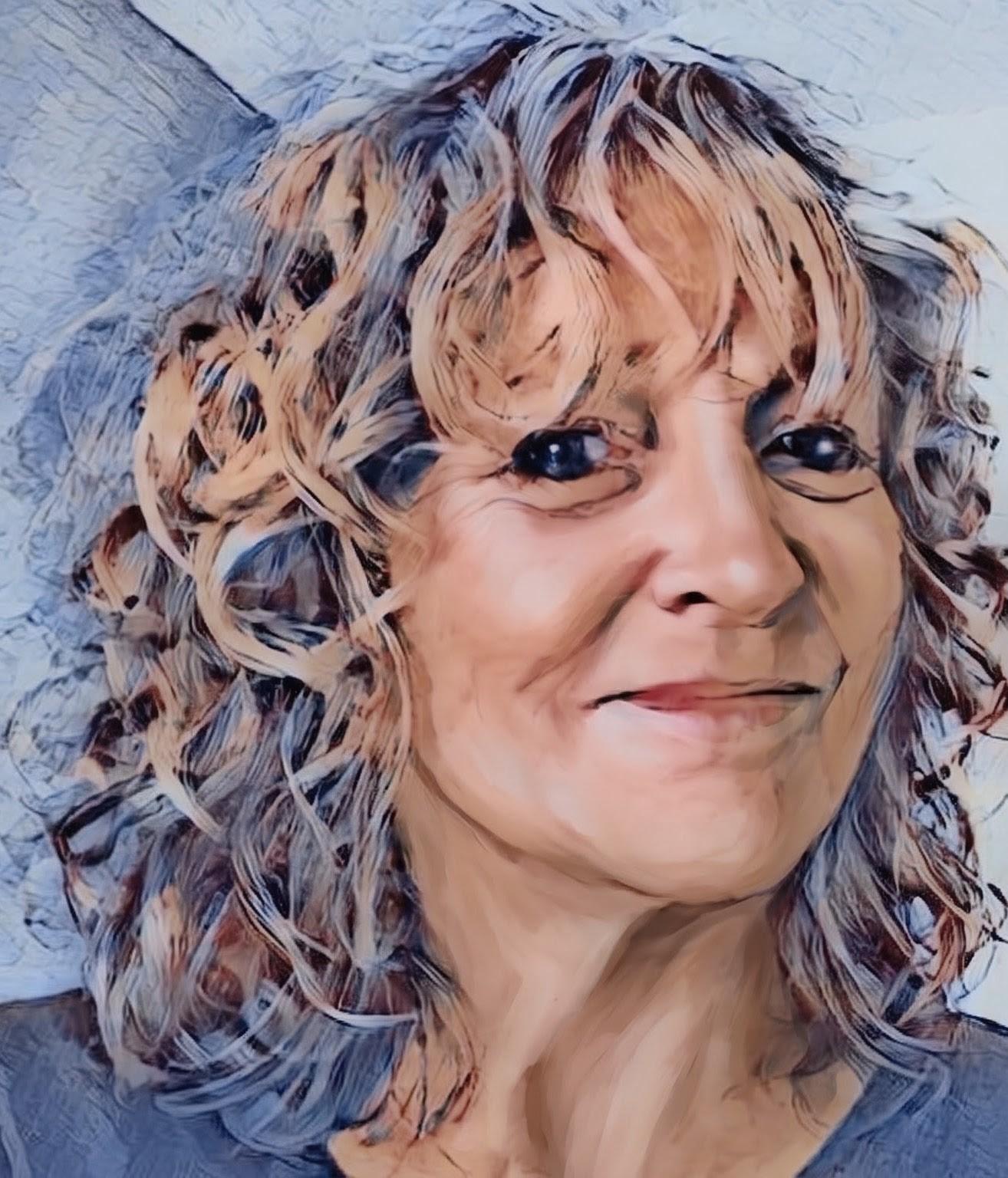
The Connected Self was developed by Lori Olson, a licensed psychotherapist with more than 15 years of experience helping individuals understand themselves, navigate relationship difficulties, and develop healthier ways of responding to life's challenges.
Her professional work draws on attachment theory, developmental psychology, experiential approaches, and the integration of Christian faith with psychological understanding.
Throughout her clinical experience, Lori has observed that understanding the reasons behind our patterns is often an important beginning, but meaningful change also requires opportunities to practice new ways of thinking, responding, and relating.
The Connected Self grew from a desire to make these insights accessible beyond the therapy setting through educational experiences that encourage self-awareness, personal responsibility, relational maturity, and Christian spiritual formation.
The curriculum and educational resources are designed for learning and personal development. They are not psychotherapy and are not intended to replace individualized mental health care.
THE JOURNEY
Educational Resources, Not Psychotherapy
The Connected Self provides educational resources designed to encourage self-awareness, personal development, healthier relationships, and Christian spiritual formation.
Although these resources draw upon established concepts from psychology, neuroscience, and human development, they are intended for education and personal enrichment.
The Connected Self does not provide psychotherapy, mental health diagnosis, individualized treatment, or crisis services through its educational programs.
These resources are not a substitute for professional mental health care. Individuals experiencing significant emotional or psychological difficulties are encouraged to seek appropriate support from qualified professionals. Parents and trusted adults should also be involved when supporting younger learners.
EXPLORE WHAT'S POSSIBLE
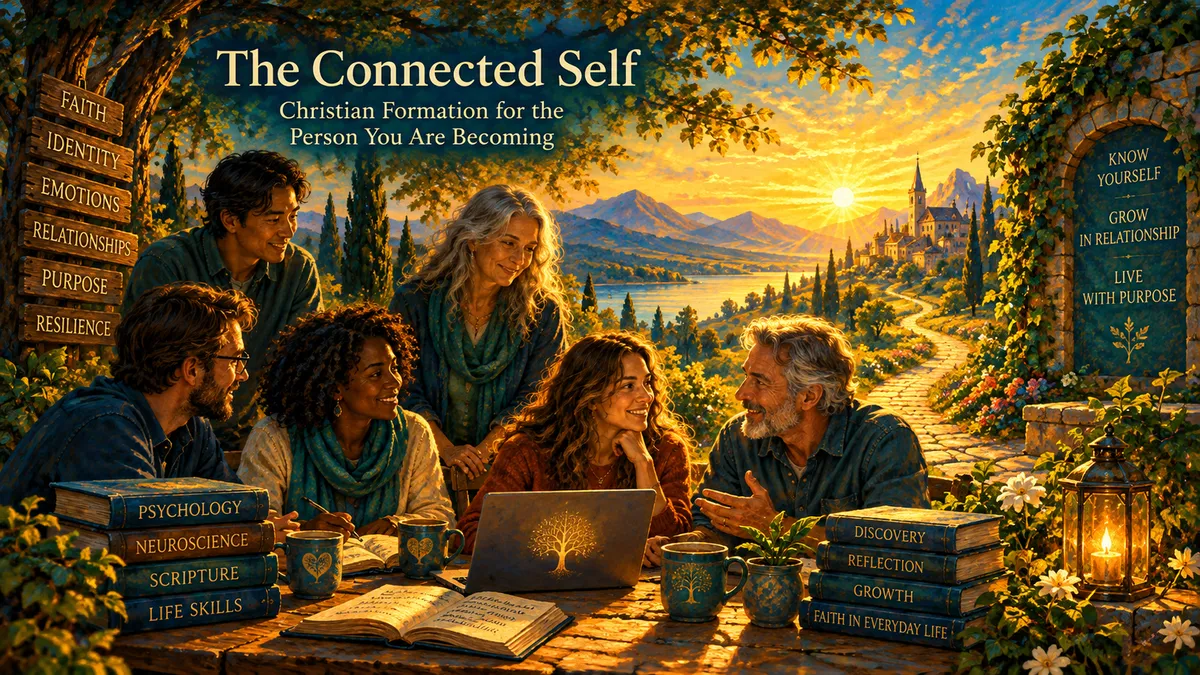
Continue Your Journey With The Connected Self
Continue Your Journey With The Connected Self
Understanding ourselves more deeply can change the way we experience our relationships, approach life's challenges, and live out our Christian faith.
Whether you're an educator seeking meaningful learning experiences for students, a parent exploring Christian educational resources, or an adult interested in personal and spiritual growth, The Connected Self offers opportunities to continue learning.
For Students, Families, and Educators
Explore our complete Christian formation curriculum, designed to help high-school students develop self-awareness, relational wisdom, practical life skills, and a deeper understanding of their identity in Christ.
For Adults Exploring Faith and Personal Growth
Discover spiritual formation videos and reflections that invite thoughtful engagement with Scripture and the everyday experience of following Christ.
The Connected Self continues to grow, with additional educational resources for adults planned for the future.
Wherever you are in your journey, there is always more to discover about yourself, your relationships, and your life with God.
THE First STEP
Let's Talk
Have questions about The Connected Self? I'd welcome the opportunity to connect with you.
Whether you're a parent or educator interested in the student curriculum, or someone curious about our educational resources and approach to Christian formation, a brief conversation can help you learn more.
Schedule a complimentary 15-minute conversation to ask questions, explore the available resources, and discover whether The Connected Self is a good fit for what you're looking for.

The Connected Self
Understand Yourself. Relate Wisely. Grow in Christ.
Psychological Insight • Experiential Learning • Christian Formation
An educational initiative of Attachment and Experiential Therapy, LLC


© 2026 Attachment and Experiential Therapy, LLC. All rights reserved. | Privacy Policy